What does a steel contractor do?
- Engineering and detailing
- Material sourcing
- Fabrication
- Onsite installation
- Project management
Overview
- Steel contractors play a much larger role than simply fabricating and installing structural steel. They coordinate multiple teams and processes to ensure every stage of a project progresses according to plan.
- Their role is critical to the success of large-scale construction projects. They maintain quality, improve construction efficiency, and reduce delays throughout the structural steel process.
- With decades of experience supplying structural steel products across the Philippines, Metal Exponents supports contractors with dependable materials for a wide range of projects.
On the surface, steel contractors are responsible for fabricating and installing the structural steel that supports a development. In reality, their role extends much further. They must be responsible for coordination and project execution to ensure that every stage of the construction is completed efficiently. But what exactly does a steel contractor do, and why are they a critical part of any large-scale project?
To put it simply, steel contractors help manage the technical and logistical requirements that keep projects on schedule. With decades of experience supporting a wide range of projects, Metal Exponents delivers exceptional service to ensure successful structural steel works worldwide. Let’s explore the role they play throughout construction.
Engineering and Detailing
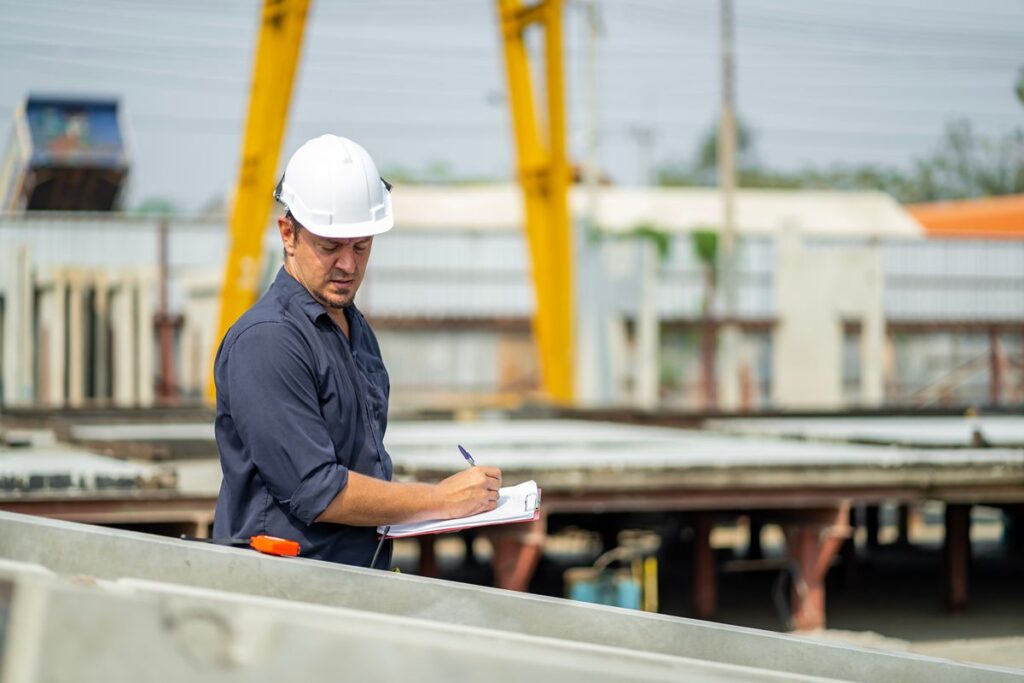
Steel contractors are responsible for converting structural designs into detailed fabrication and construction plans for accurate manufacturing. They review engineering blueprints, prepare shop drawings, and define the exact dimensions for every steel component. They ensure the fabricated members match the structural engineer’s design and comply with the project’s exact specifications.
Beyond planning, they also coordinate with engineers, architects, and project teams to resolve design conflicts before fabrication begins. By identifying issues early and producing accurate detailing documents, choosing the right steel contractors reduces the likelihood of reworks and supports smoother construction throughout the project.
Material Sourcing
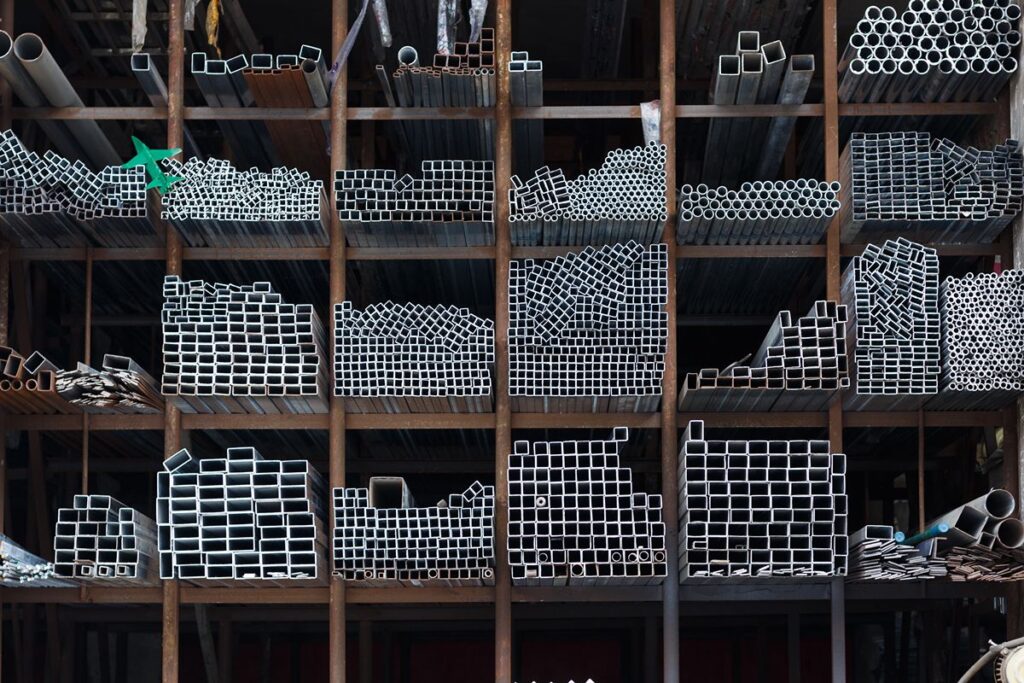
One of the things contractors must pay close attention to is material sourcing. They source the structural steel required to complete the project in accordance with the approved specifications and construction schedule. It is their duty to determine the required material grades and coordinate with qualified suppliers to verify that materials meet the project’s quality requirements in time for installation and fabrication.
Furthermore, material sourcing involves coordinating deliveries to support the overall project timeline. Steel contractors schedule procurement based on fabrication requirements and construction milestones to reduce delays caused by material shortages or late shipments. Through effective sourcing, they keep both production and site activities progressing exactly as initially planned.
Fabrication
Fabrication involves converting engineering drawings into finished structural steel components. Steel contractors oversee fabrication to ensure every steel component is produced to the exact dimensions, tolerances, and connection details specified in the engineering drawings. Throughout the manufacturing process, they monitor fabrication activities to maintain quality and prevent errors that could affect installation.
Before fabricated steel is delivered to the site, detailed material inspections are carried out to verify the components’ compliance with project specifications. These professionals carefully review the workmanship and connection details behind each part before approving the fabricated members for delivery. This way, they help ensure the steel arrives ready for installation.
Onsite Installation
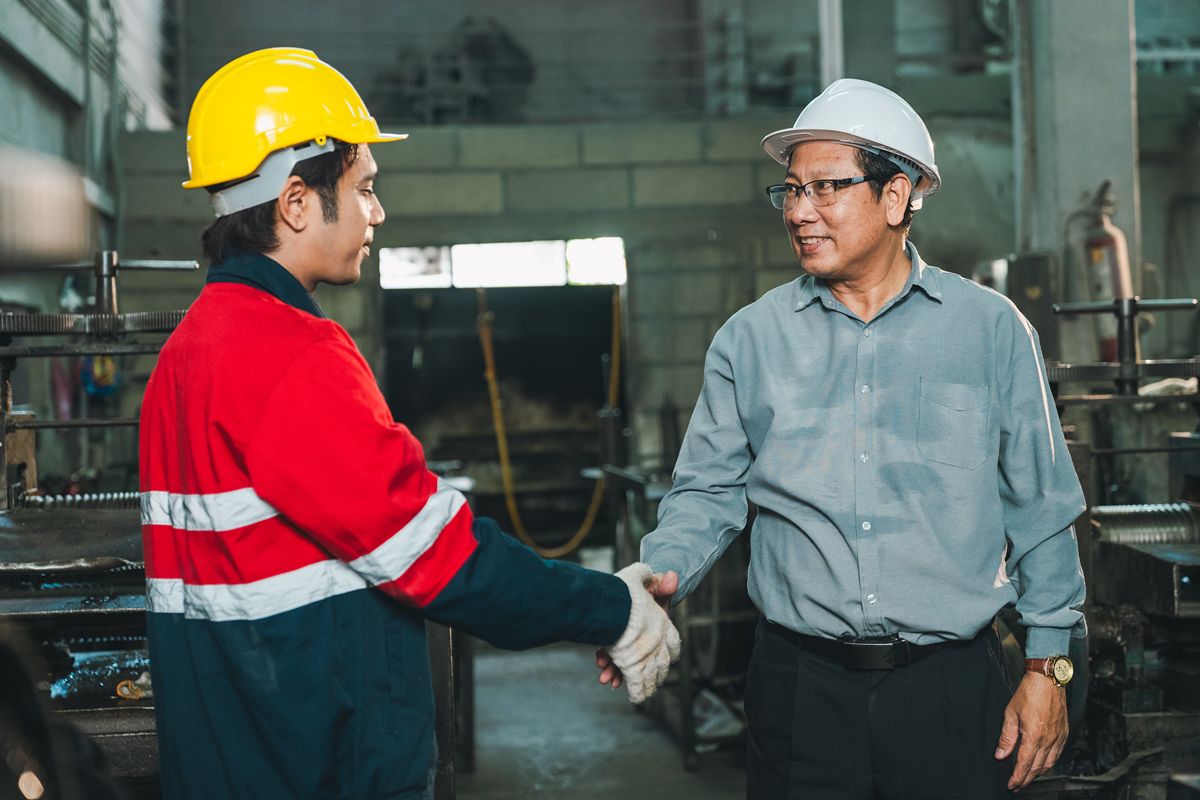
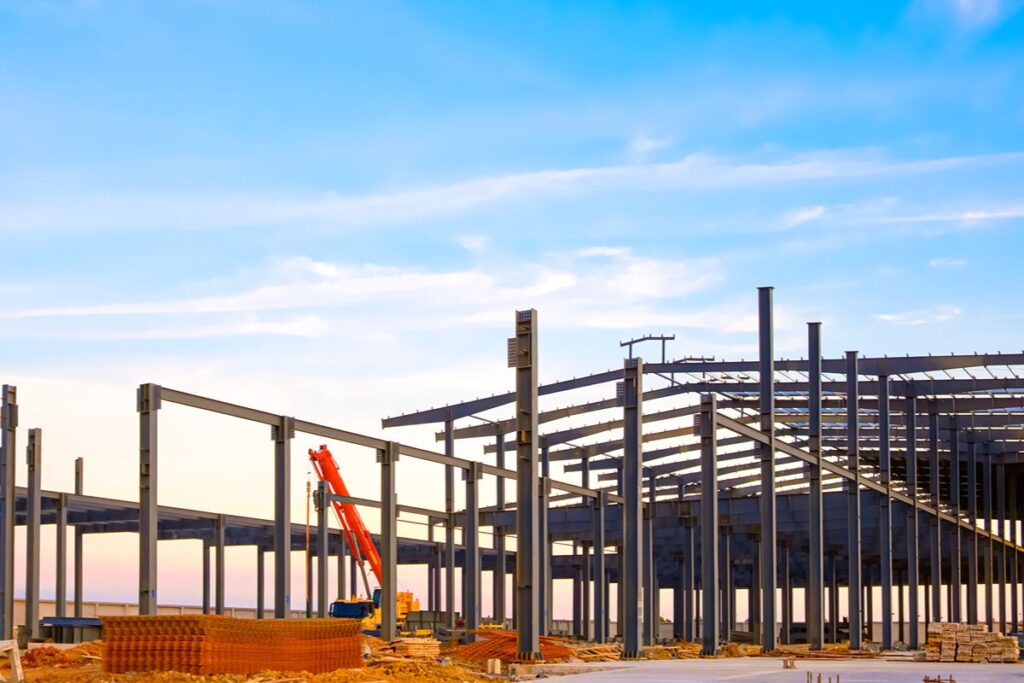
Once the fabricated steel arrives at the construction site, the steel contractor is responsible for managing the assembly of individual components into the project’s structural framework. The construction team relies on the contractor’s directions to ensure that each beam, column, and connection is positioned exactly as designed and correctly integrated with the rest of the structure.
The role extends beyond supervising the erection crew. As installation progresses, steel contractors continuously verify alignment and coordinate with other trades to ensure the installation remains on schedule.
Project Management
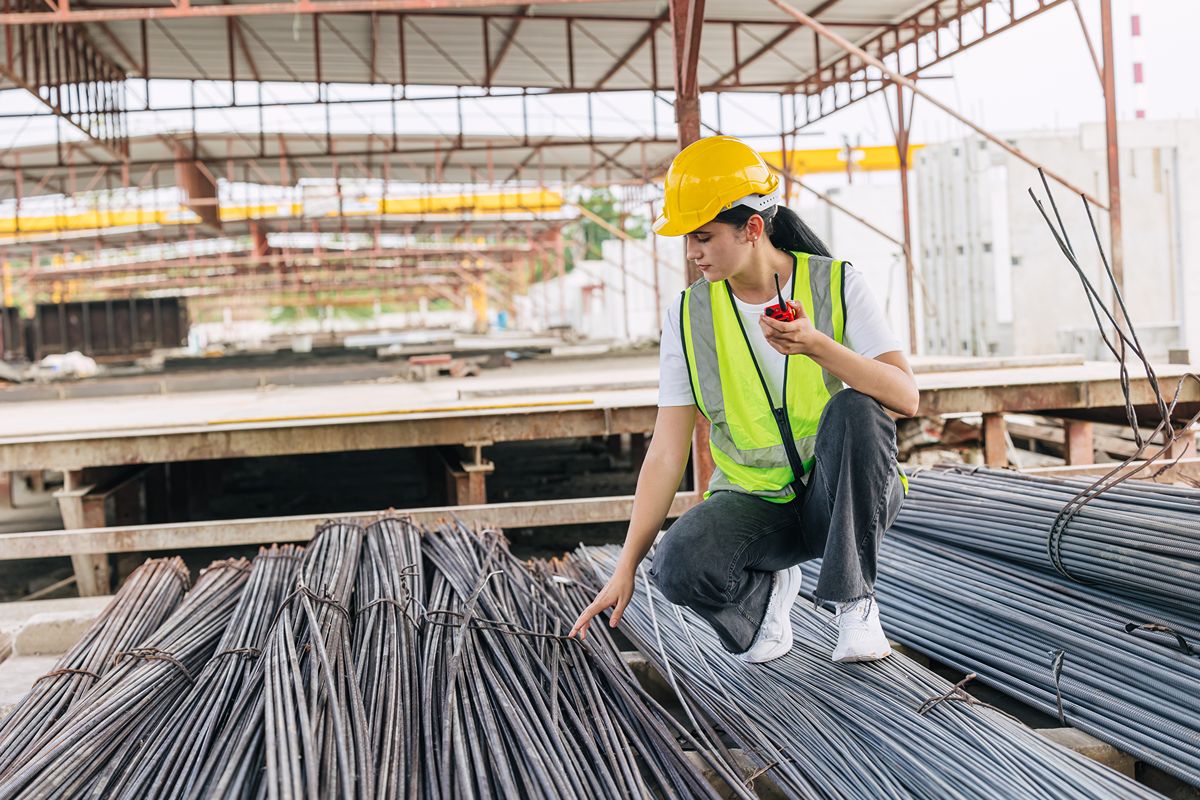
Steel contractors are responsible for ensuring engineering decisions can be carried through to fabrication and installation without creating conflicts that delay the project to the point of costly reworks. As the construction progresses, they continuously review the project’s movement against the schedule and adjust plans whenever conditions change.
Of course, maintaining that coordination requires constant communication throughout the project. When unexpected issues arise, steel contractors assess their impact on the remaining work and work with the project team to implement changes before they affect the project’s overall completion. This helps the structural steel package remain aligned with overall objectives from start to finish.
Where to Find a Trustworthy Steel Contractor For Your Large-Scale Projects in the Philippines
For more than 45 years, Metal Exponents has supplied structural steel products for commercial, industrial, and infrastructure projects across the Philippines. Backed by a global sourcing network and extensive local inventory, we provide reliable access to quality steel products that meet demanding project requirements.
Our experienced team works closely with steel contractors and procurement professionals to help identify the right materials and support project schedules from planning through delivery. Whether you’re handling a high-rise development or major infrastructure project, Metal Exponents provides the dependable steel supply and technical support needed to keep construction moving forward.
Key Takeaway
So, what does a steel contractor do? The most direct answer is that they manage the successful coordination and execution of structural steel work. Their expertise helps ensure that steel structures are fabricated accurately and, most importantly, delivered safely according to project requirements.
Working with an experienced steel contractor is only part of ensuring successful development. By partnering with a steel supplier like Metal Exponents, project teams gain access to quality materials and responsive support throughout construction. Contact us today to learn how we can support your next large-scale project.