What are the features to look for in a high-quality stainless steel shaft?
- Material grade
- Corrosion resistance
- Strength and hardness
- Surface finish
- Heat treatments
- Precision machining
- Straightness and alignment
- Cost consideration
Overview
- This article highlights key features to consider when choosing a high-quality stainless-steel shaft, including material grade, corrosion resistance, strength and hardness, surface finish, heat treatments, precision machining, straightness and alignment, and cost considerations.
- Understanding these features helps ensure optimal performance and durability for various applications.
Selecting a stainless-steel shaft that epitomizes durability, reliability, and precision is paramount in various applications. Their quality can greatly impact the longevity and performance of machinery and equipment. With plenty of options available, understanding the key features to look for in a high-quality stainless-steel shaft is essential.
This article delves into these features that define an outstanding stainless-steel shaft. By the end, you’ll be equipped to make an informed decision, ensuring optimal performance for your specific application.
Material Grade
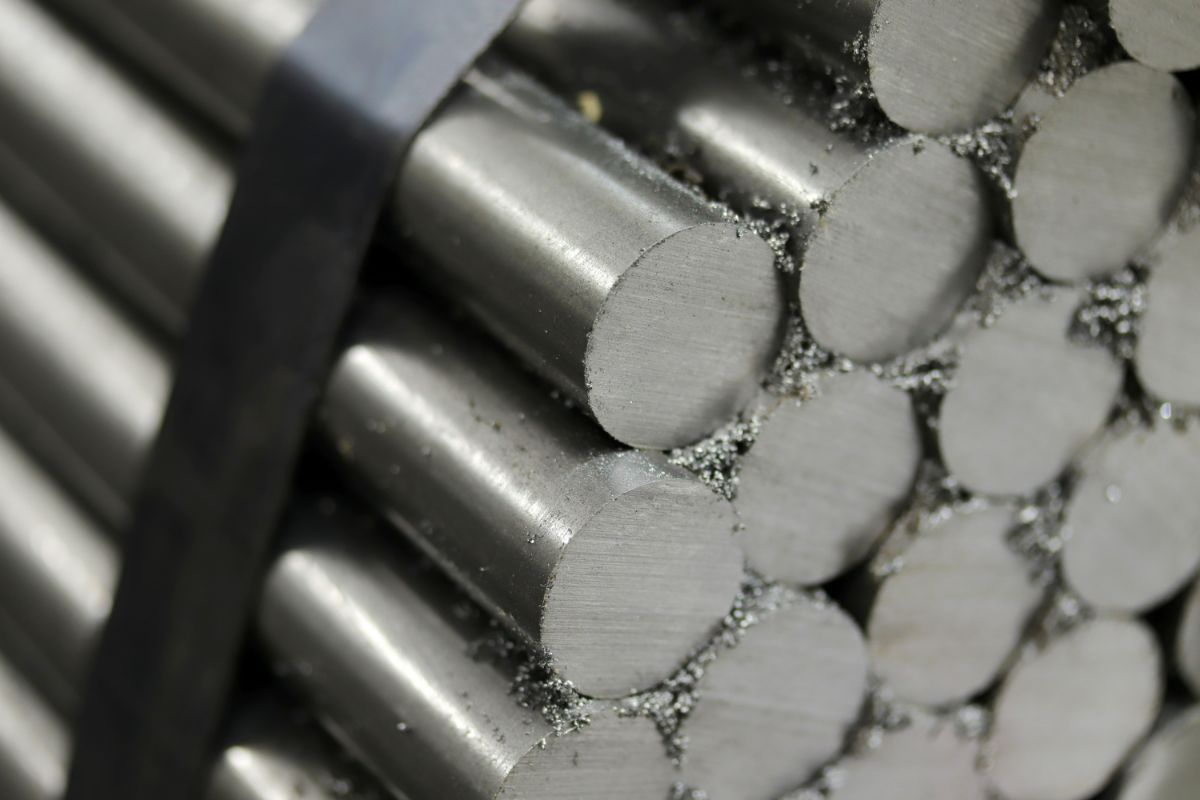
Stainless steel shafts, with grades such as 304, 316, and 17-4 PH, vary in corrosion resistance and strength. Choosing a grade that suits your application is vital as it directly impacts the shaft’s performance.
For example, let’s consider a situation where the shaft is being used in a highly corrosive environment, such as a chemical processing plant. Opting for a grade like 316 stainless steel, which offers excellent corrosion resistance due to its higher molybdenum content, would be essential. It can effectively resist corrosion from chemicals, acids, and chlorides, making it ideal for such harsh environments.
Corrosion Resistance
Corrosion can impact the integrity and lifespan of a stainless-steel shaft. When exposed to corrosive substances or harsh environmental conditions, the shaft’s surface may degrade, leading to pitting, rust, or even structural failure. Selecting a corrosion-resistant stainless-steel shaft ensures durability and prolongs its service life.
Certain stainless steel grades, such as 304, 316, and 17-4 PH, are known for their enhanced corrosion resistance properties. They contain additional alloying elements, such as molybdenum or nickel, that contribute to improved resistance against corrosion from chemicals, acids, chlorides, and other harsh environmental factors.
Strength and Hardness
Tensile strength and hardness directly influence the shaft’s ability to withstand applied forces and resist deformation or failure.
Tensile strength refers to the maximum amount of tensile stress a material can withstand before fracturing or breaking. Hardness, on the other hand, is the material’s resistance to indentation or scratching. It is a pivotal property in applications where the shaft may be subject to abrasive wear or contact with other hard surfaces.
That’s why it’s essential to carefully consider the demands of your application in choosing a steel shaft.
Surface Finish
A smooth surface finish is important for reducing friction and wear on a stainless-steel shaft. It reduces the contact area and the roughness of the surface. This minimizes the occurrence of micro-level imperfections, such as asperities, which can lead to increased friction between the shaft and other components.
By reducing friction, the smooth surface finish helps to improve the efficiency of the system and reduce energy losses due to unwanted frictional forces.
Heat Treatments
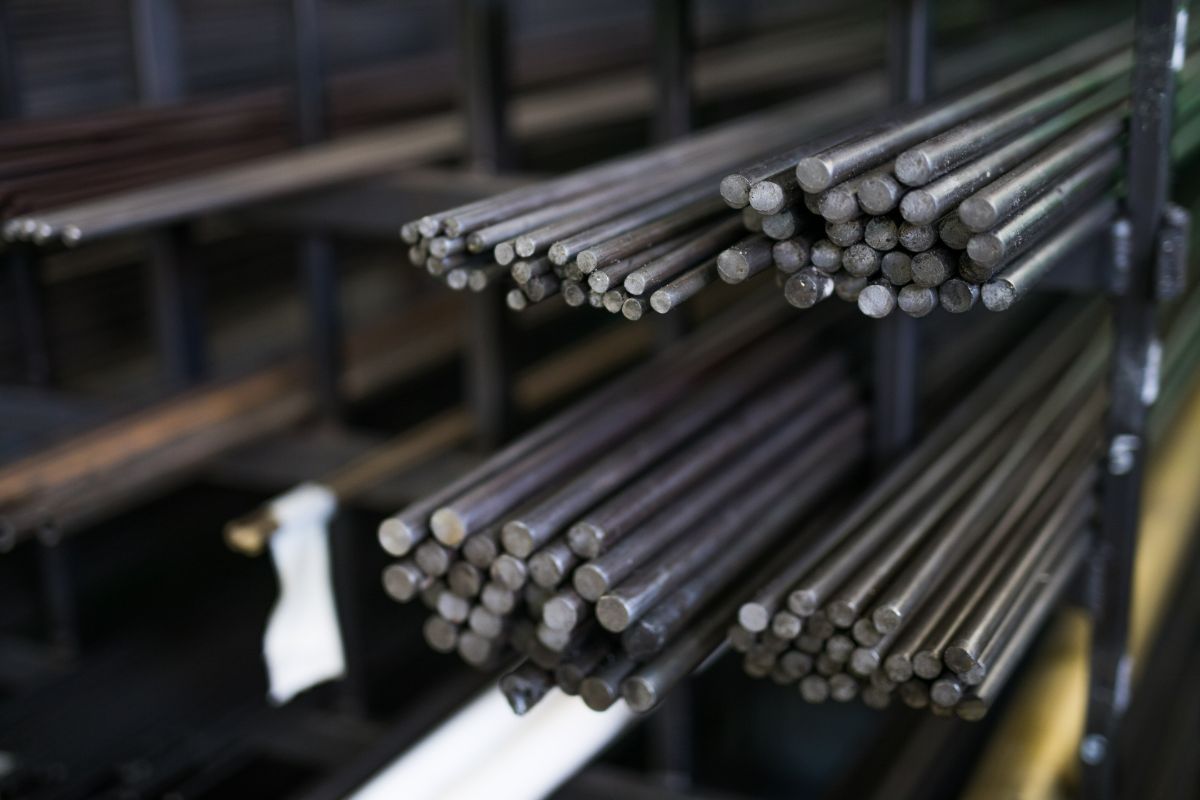
Certain applications may require heat-treated shafts to improve specific mechanical properties. This involves subjecting them to controlled heating and cooling cycles, which alters the microstructure of the steel. Make sure the heat treatment aligns with the required application for optimal performance.
Precision Machining
Precision machining guarantees dimensional accuracy and tight tolerances in stainless steel shafts. These shafts undergo precise machining to meet specific design requirements, ensuring high quality.
For instance, it employs highly accurate machines, such as computer numerical control (CNC) machines, that are capable of precisely controlling the movement of cutting tools. These machines use CAD/CAM software to convert design drawings into precise tool paths, ensuring the shafts are machined to meet the specified dimensions with high accuracy.
Straightness and Alignment
The shaft must be straight and aligned to avoid problems like vibration and misalignment. Straightness ensures smooth operation and reduces the risk of vibration-related issues. On the other hand, proper alignment is crucial for preventing misalignment problems that could impact overall performance.
Cost Consideration
Assessing costs allows you to evaluate the value for money offered by different suppliers or manufacturers. While high-quality stainless steel shafts may come at a higher price, it is important to determine if the benefits and performance justify the investment. This helps you decide and maximize the return on your investment.
Key Takeaway
These are the features you should for in a high-quality stainless-steel shaft. Features such as premium-grade material composition, precision machining, appropriate heat treatment, optimal dimensional, surface characteristics, and more. These ensure durability, corrosion resistance, and optimal performance for a variety of applications.
With over 40 years of experience, Metal Exponents Inc. offers imported premium steel products from various global sources. This commitment solidifies us as a prominent player in the importation of high-quality steel into the Philippines. Reach out to us today to check our products!