

Heavy Duty Steel Pipes for
Industrial Applications

Heavy duty steel pipes

Steel Pipes

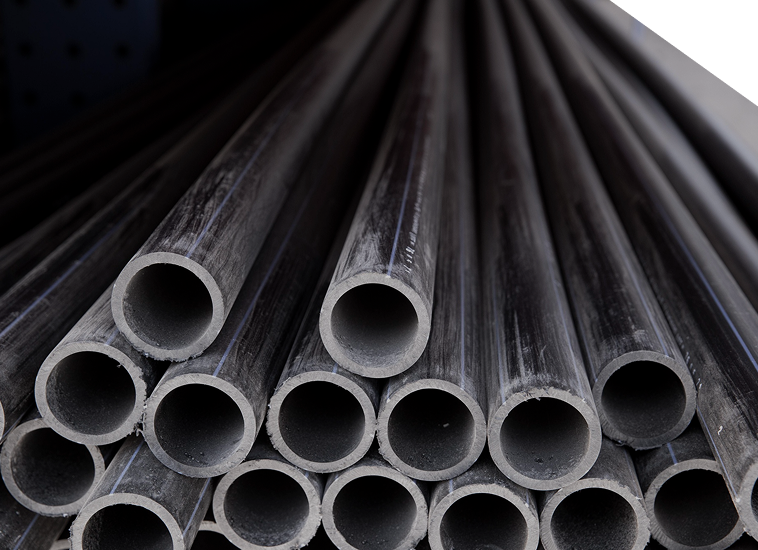
Steel pipes are used in construction, fabrication, plumbing, mechanical systems, and industrial applications where strength, durability, and reliable performance are required. Depending on the application, pipes may be specified for structural support, fluid transport, drainage systems, fabrication work, or general engineering use.

Metal Exponents supplies steel pipes in the Philippines for contractors, fabricators, manufacturers, and industrial buyers. Available options include carbon steel pipes and Japanese steel pipes in different sizes, wall thicknesses, and specifications for commercial and industrial requirements.

Steel Pipe Types

Carbon steel pipes

Carbon Steel Pipes

Carbon steel pipes are widely used for structural, mechanical, plumbing, and industrial applications. They are commonly selected for projects that require strength, weldability, and practical durability for fabrication or transport systems.

These pipes are used across construction sites, industrial facilities, fabrication shops, and utility-related projects.

Common Applications
  • Structural support
  • Mechanical systems
  • Plumbing and drainage
  • General fabrication
  • Industrial piping systems
Japanese steel pipes

Japanese Steel Pipes

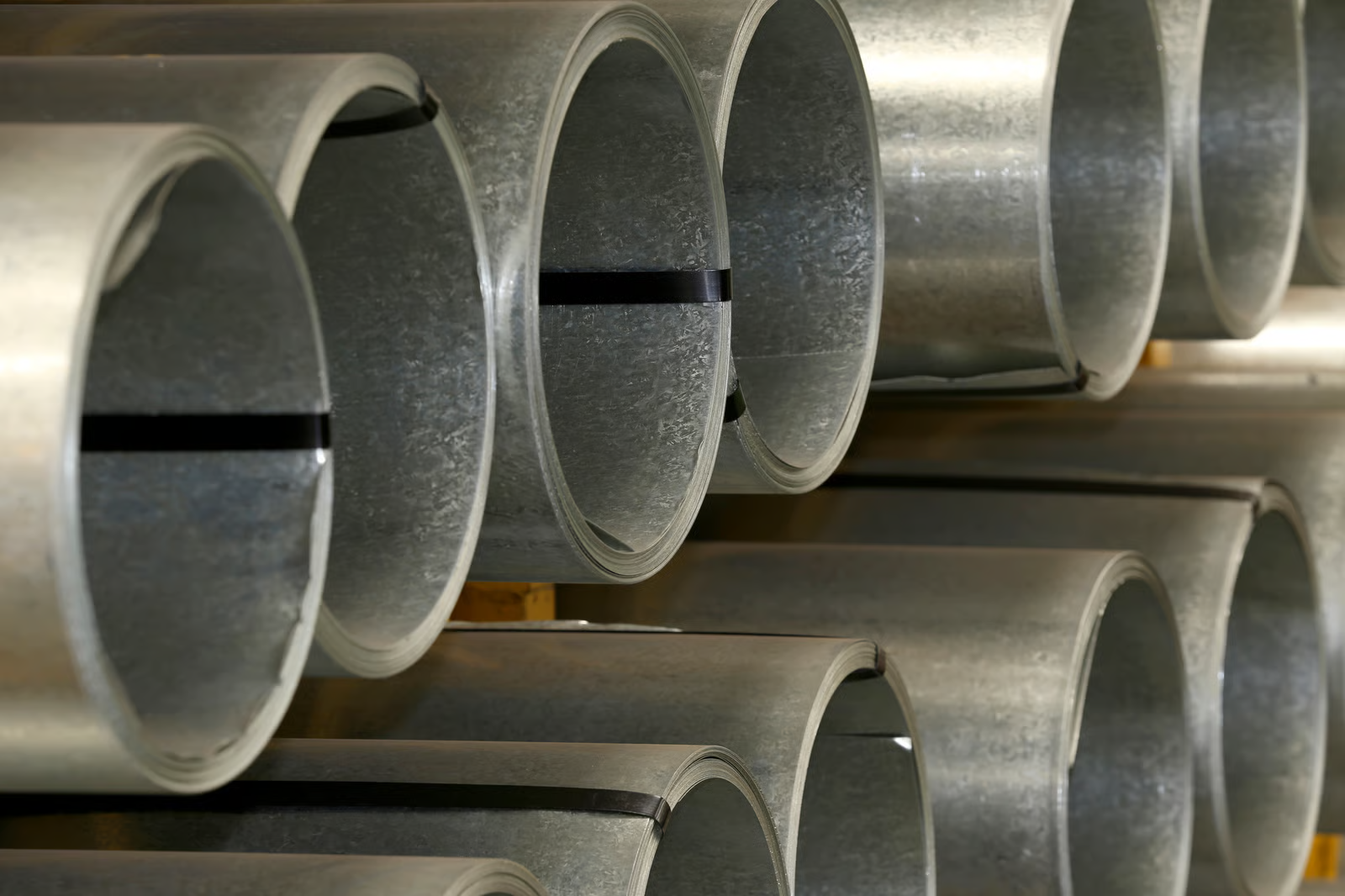
Japanese steel pipes are commonly specified for projects that require tighter dimensional control, consistent material quality, or compliance with Japanese industrial standards. They are often used in mechanical, industrial, engineering, and pressure-related applications.

These pipes may be used for manufacturing, fabrication, machinery, and industrial systems where specification consistency is important.

Common Applications
  • Industrial piping systems
  • Machinery and equipment
  • Engineering applications
  • Pressure-related systems
  • Fabrication work

Why Choose Metal Exponents as Your Steel Pipe Supplier in the Philippines?

Metal Exponents supplies steel pipes for Philippine construction, fabrication, plumbing, manufacturing, and industrial requirements. Our team assists buyers with specification review, documentation requests, material selection, and delivery coordination based on project requirements.

Buyers may inquire about carbon steel pipes and Japanese steel pipes for structural systems, industrial piping, fabrication work, mechanical applications, and engineering projects. Depending on the order and material source, mill test certificates and supporting material documents may also be requested.

Contact Us

Looking for steel pipes for your project or industrial requirements?

Contact Metal Exponents for inquiries on carbon steel pipes and Japanese steel pipes in the Philippines. To help us review your request, share the pipe type, grade or standard, size, schedule, length, quantity, intended application, documentation requirements, delivery location, and target schedule.

Contact Us Today!

Frequently Asked Questions

Steel pipes are used for construction, plumbing, fabrication, mechanical systems, structural support, fluid transport, and industrial applications.

Metal Exponents supplies carbon steel pipes and Japanese steel pipes for construction, fabrication, plumbing, mechanical, and industrial applications.

Carbon steel pipes are commonly used for structural support, plumbing systems, fabrication work, industrial piping, and mechanical applications.

Japanese steel pipes are commonly used for engineering, industrial piping, machinery, pressure systems, and fabrication applications that require consistent specifications and material quality.

Steel pipes may be cut to length depending on the required dimensions and available processing support. Processing requirements should be confirmed during inquiry.

Steel pipes are commonly supplied in standard commercial lengths, although available lengths may vary depending on the pipe type, specification, and supplier source.

Provide the pipe type, grade or standard, nominal size or outside diameter, schedule or wall thickness, length requirement, quantity, intended application, documentation needs, delivery location, and target schedule during inquiry.